Back in Poland, I had the chance to visit amber miner Krzysztof — a true character and someone deeply rooted in the world of Baltic amber.
You might recognize him from “The Hunt for Baltic Gold”, but seeing his work in person is something else entirely.
This wasn’t a showroom or a curated display. This was the source — where Baltic amber begins.
Where Baltic Amber Comes From — And How It’s Found
Baltic amber is found throughout the Baltic region, with Poland being one of its most important sources. While many people picture amber washing up along the shore, that’s only part of the story.
A significant amount of amber is still found along the coastline, especially after strong storms. When the sea is rough, waves can lift amber from the seabed and carry it ashore, where it’s collected along the beach. Some also “fish” for amber in deeper water, using nets — not unlike traditional fishing.
At the same time, large deposits of amber are found inland. Over millions of years, glaciers have moved and redistributed these deposits, placing amber far from its original location. These inland sources are where mining becomes essential.
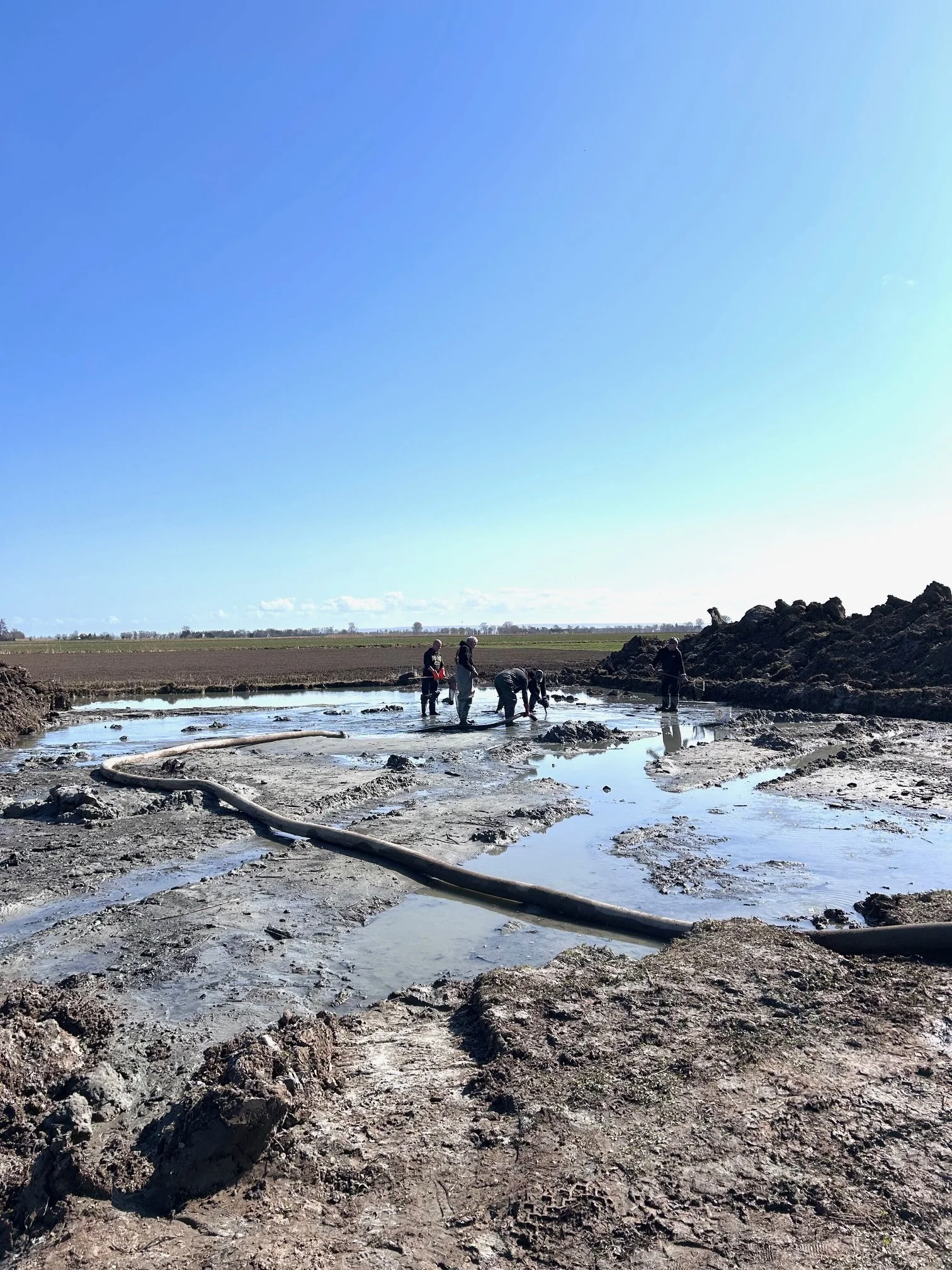
Some of these deposits are mined deeper away from the coast, while others are located closer to the sea and accessed using methods like hydraulic mining, which we experienced during our visit.
Together, these different methods — beach collecting, amber fishing, and mining — tell the full story of how Baltic amber is found today.
Hydraulic Mining and What Raw Amber Really Looks Like
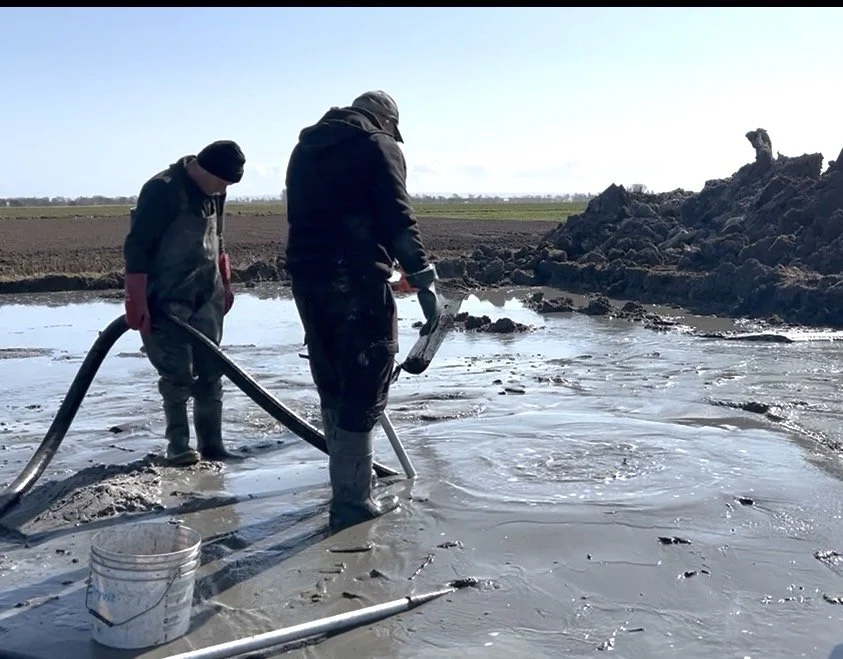
Hydraulic amber mining is a hands-on, physical process that relies on water to do most of the work.
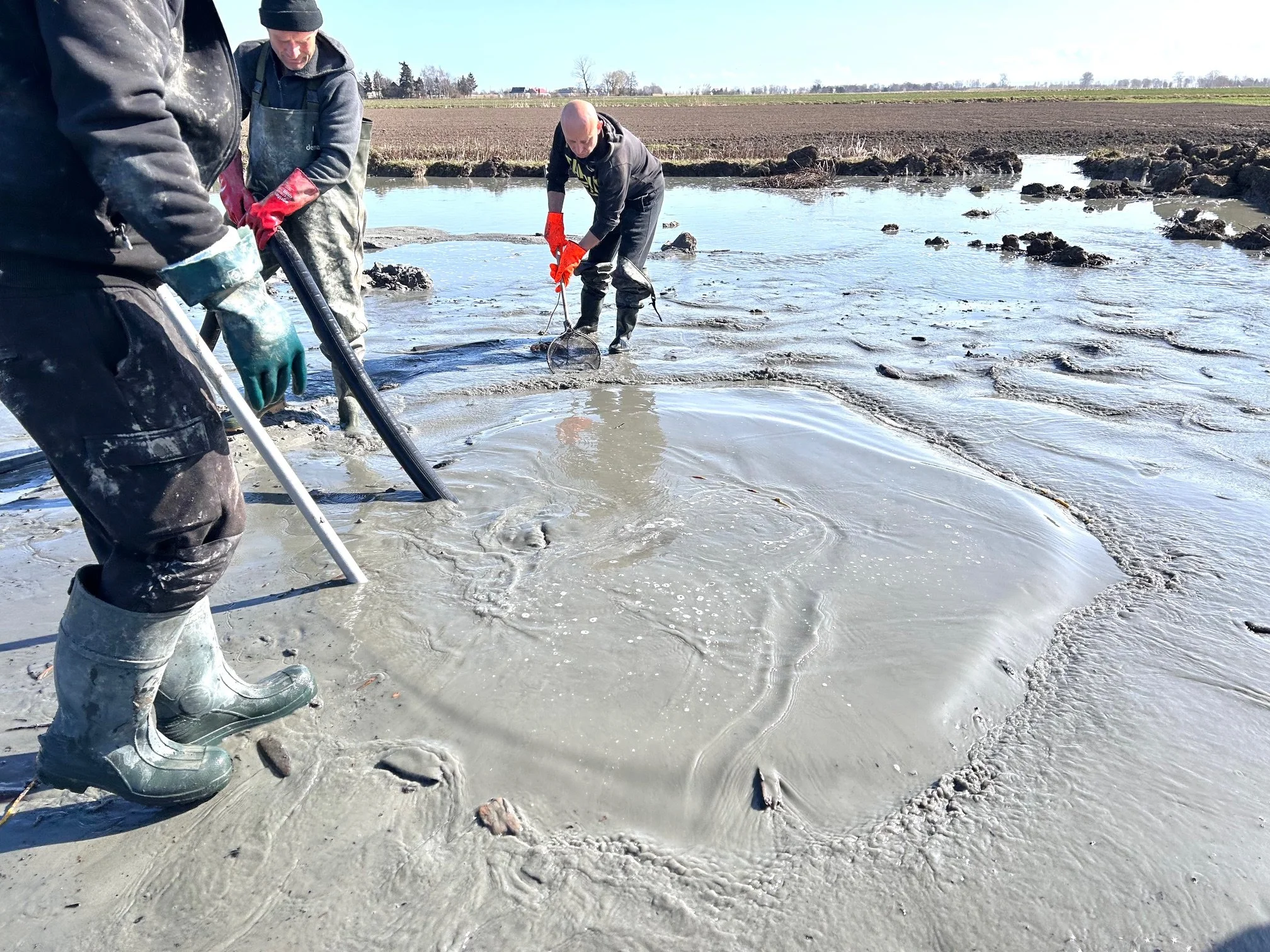
A strong stream of pressurized water is directed into the ground, 12 meters deep, breaking apart layers of sand and clay where amber has been trapped for millions of years. As the earth loosens, the mixture turns into a thick, muddy slurry that begins to flow.
Amber, being lighter than the surrounding material, starts to separate and rise within this mixture. The slurry is then guided into channels or shallow pools, where miners carefully watch and sort through what comes through.
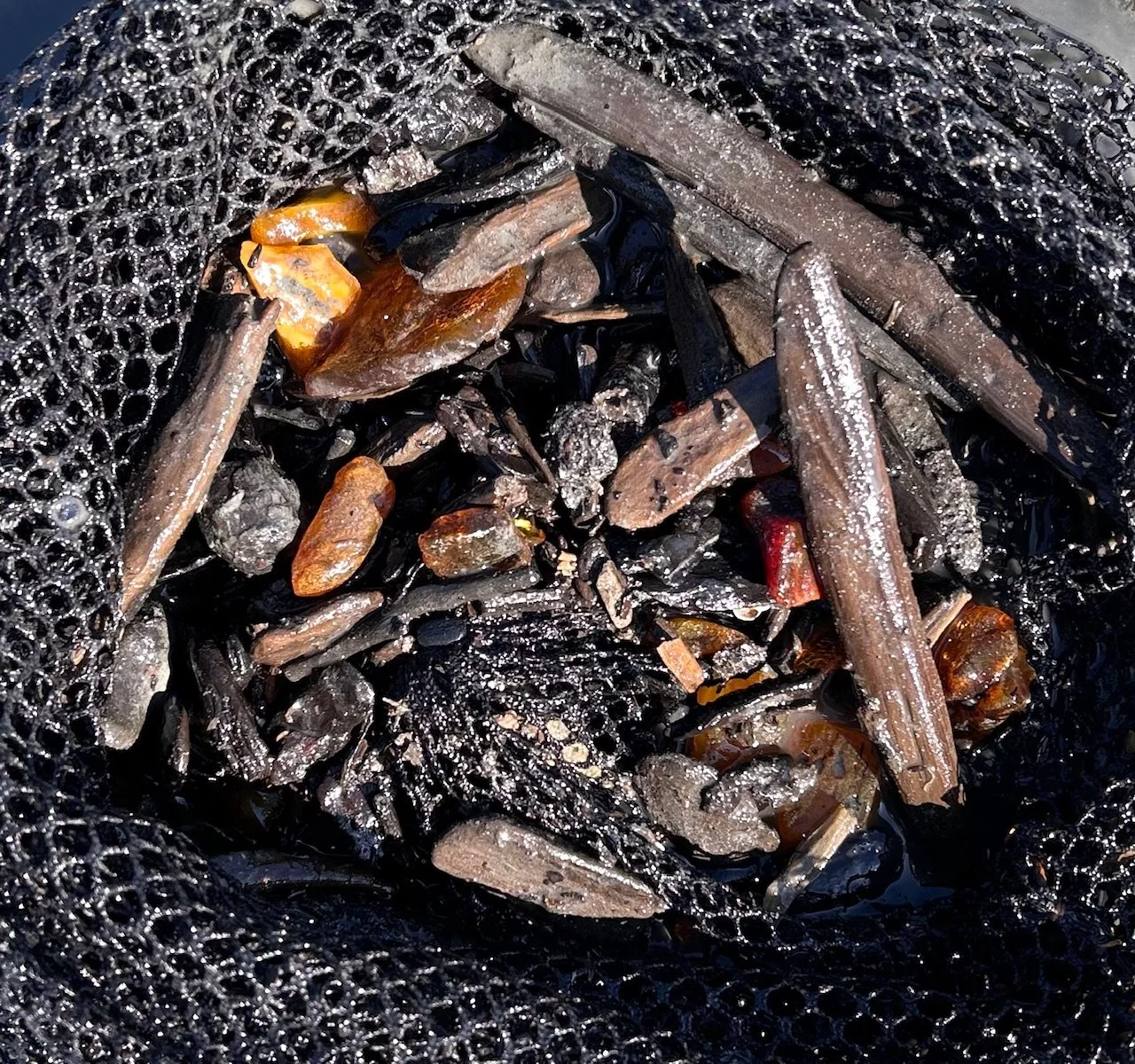
This is where experience matters — knowing what to look for, spotting pieces that don’t look like much at first.
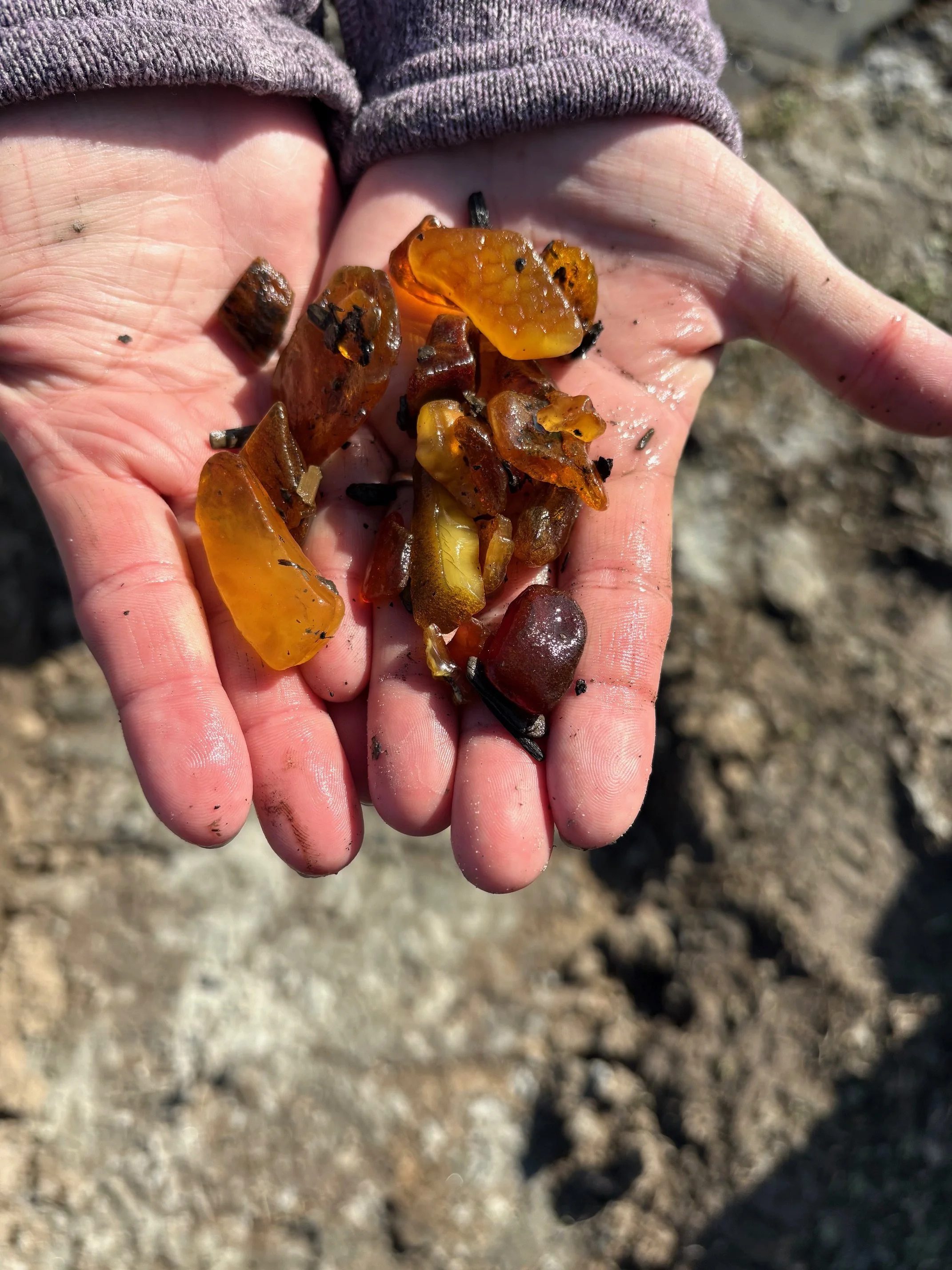
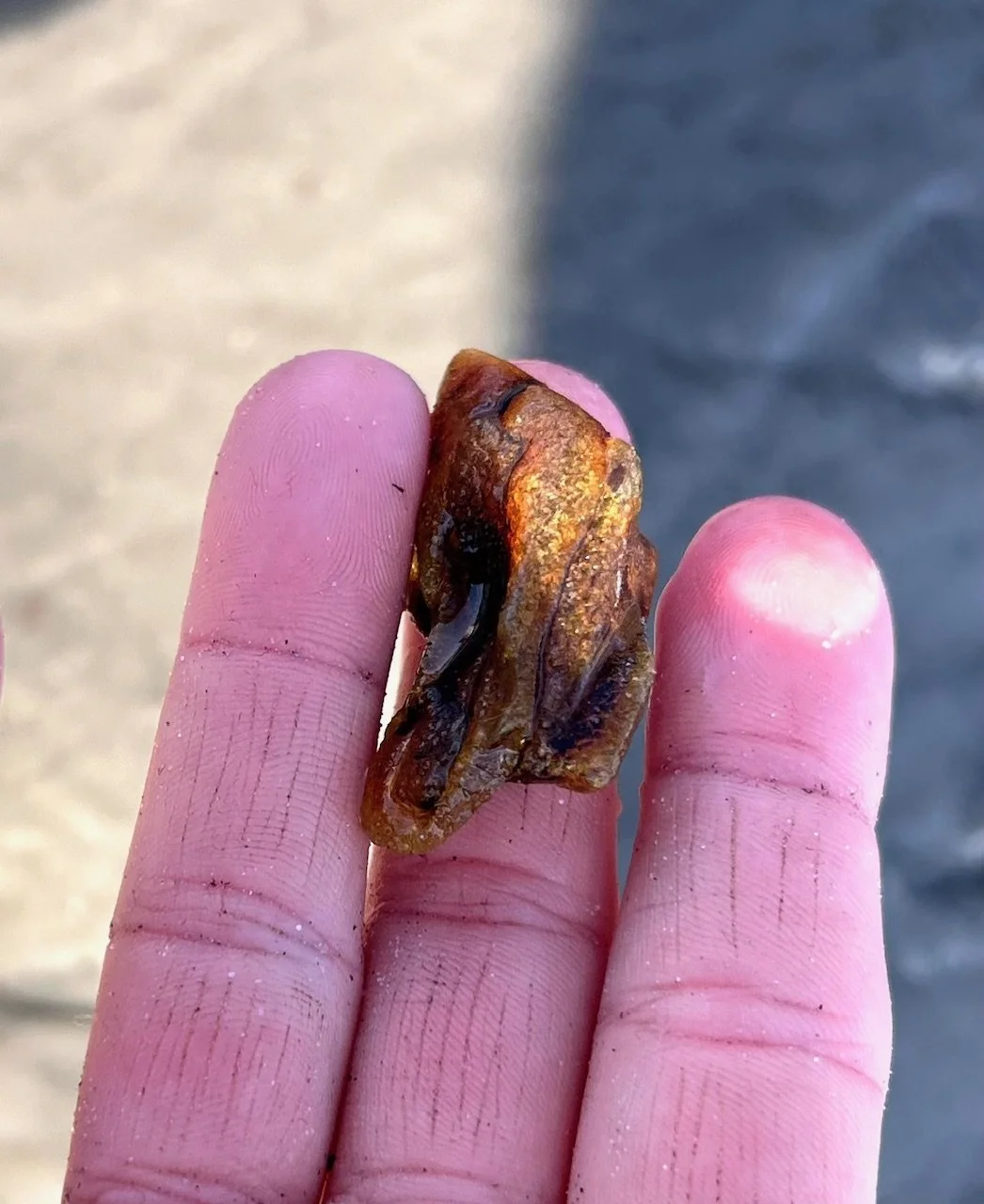
When a piece is found, it’s nothing like the finished amber we’re used to seeing. It’s rough, often dull, and covered in dirt — sometimes easy to mistake for an ordinary stone.
Only later, after cleaning, cutting, and polishing, does it reveal the warm glow we associate with Baltic amber.
That transformation is part of what makes amber so special — but it all starts here, in water, earth, and patience.
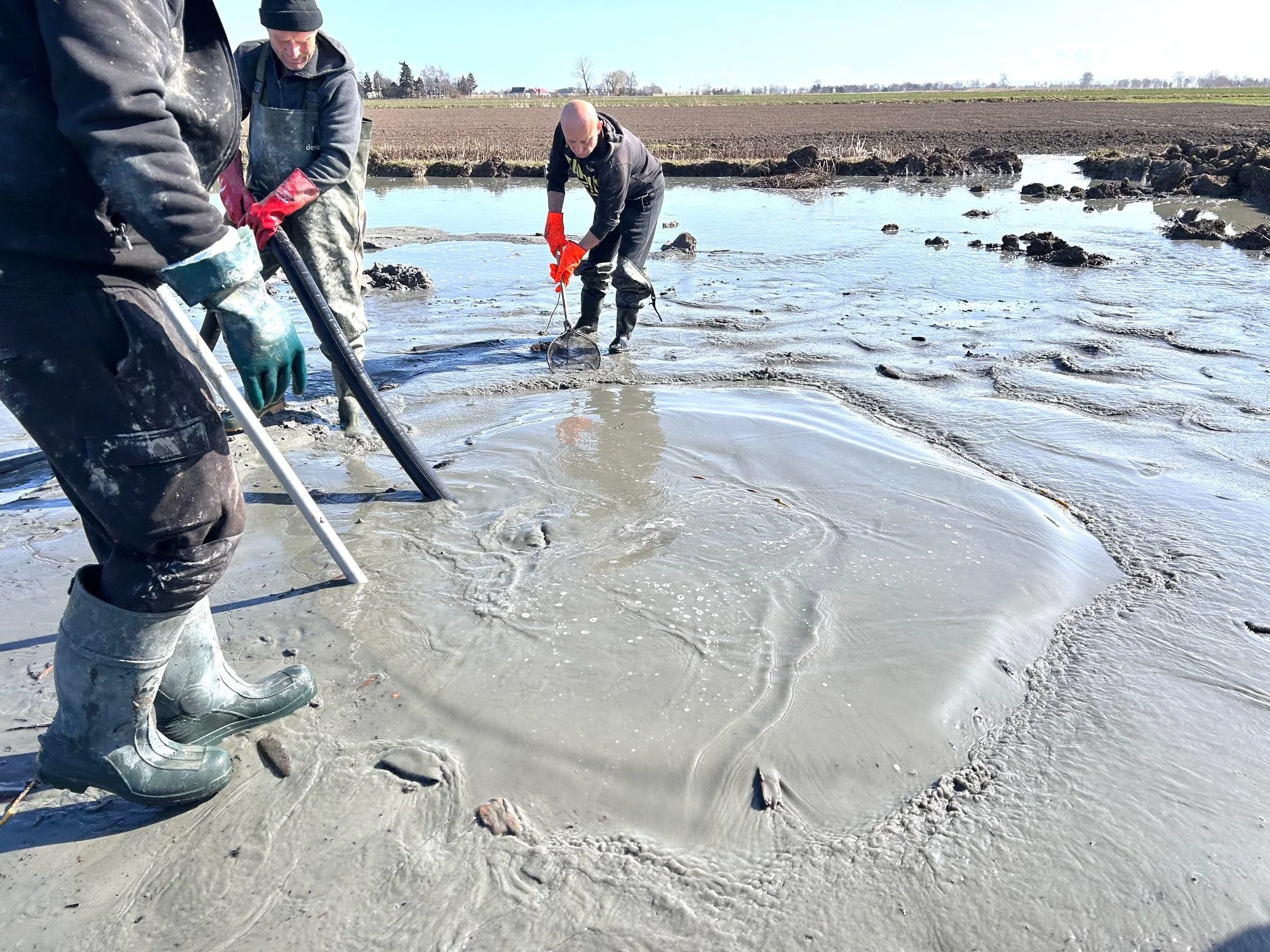
Experiencing Amber Mining Firsthand
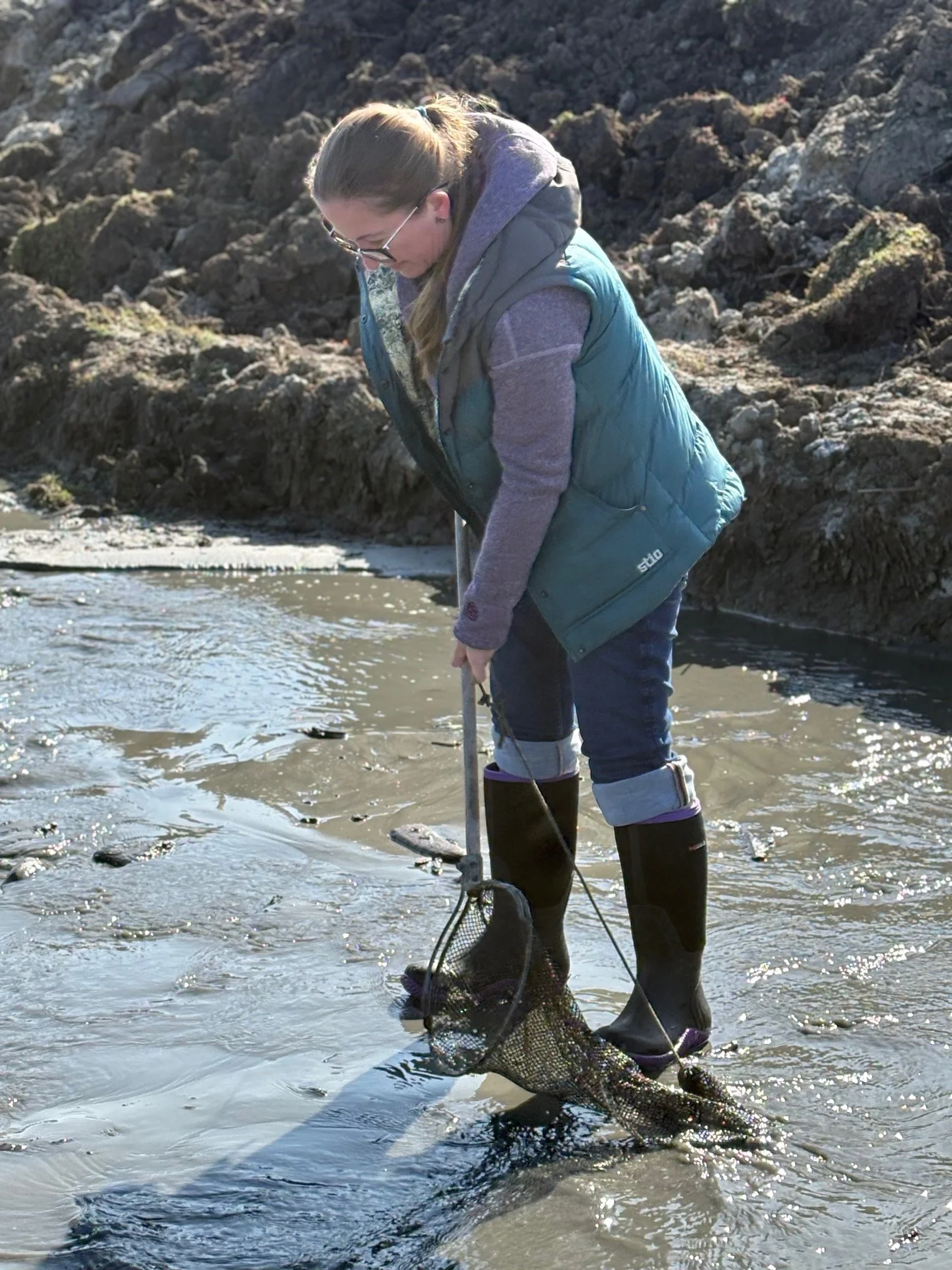
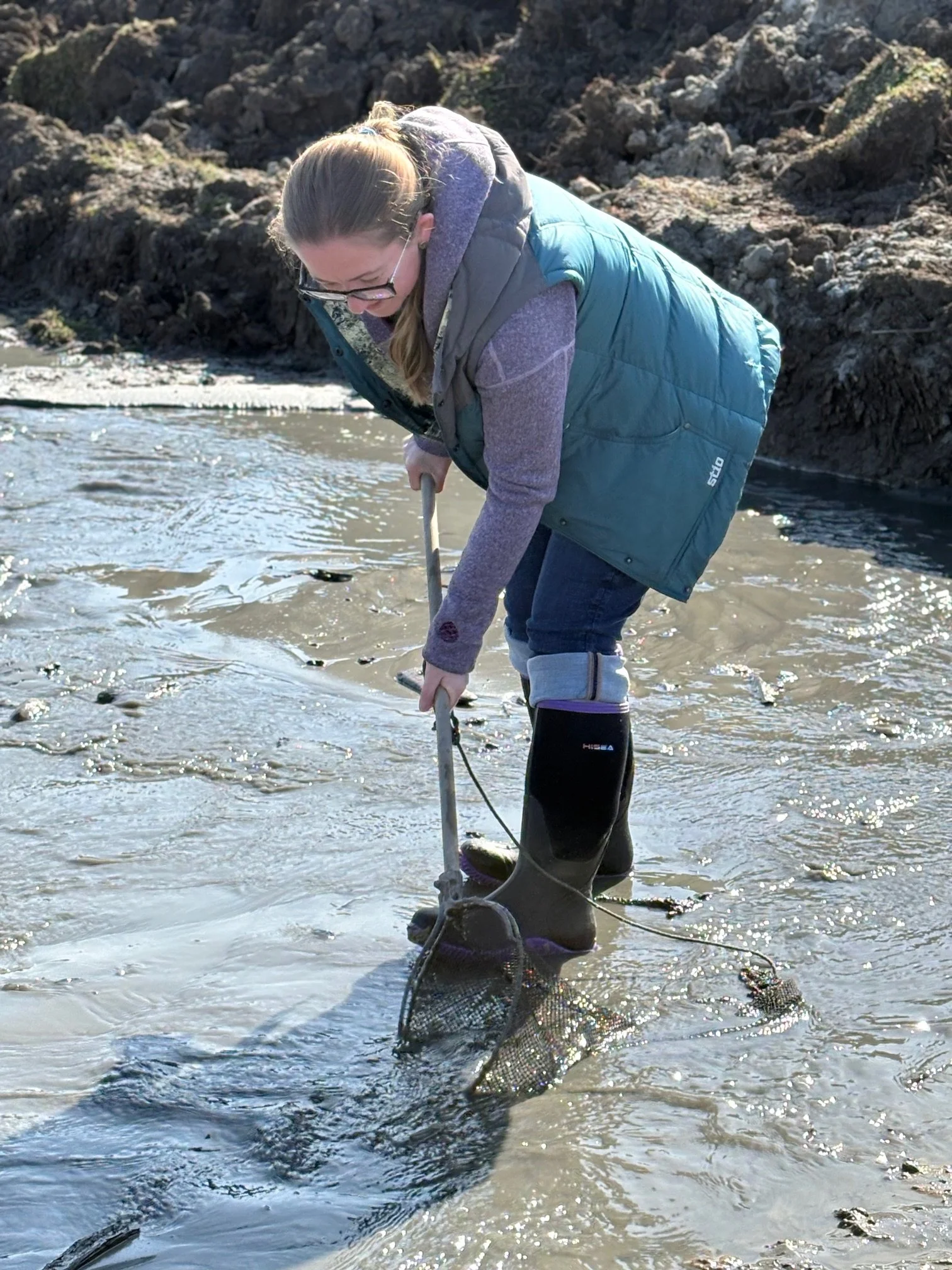
This wasn’t just something to watch — I got to try it myself.
It’s messy work. Wet ground, a lot of mud, and plenty of moments where you’re not sure if you’re looking at amber or just another stone.
And then suddenly, you spot a piece.
Not polished, not obvious — just a rough fragment that doesn’t look like much at first. But knowing what it is, and where it came from, makes it feel completely different.
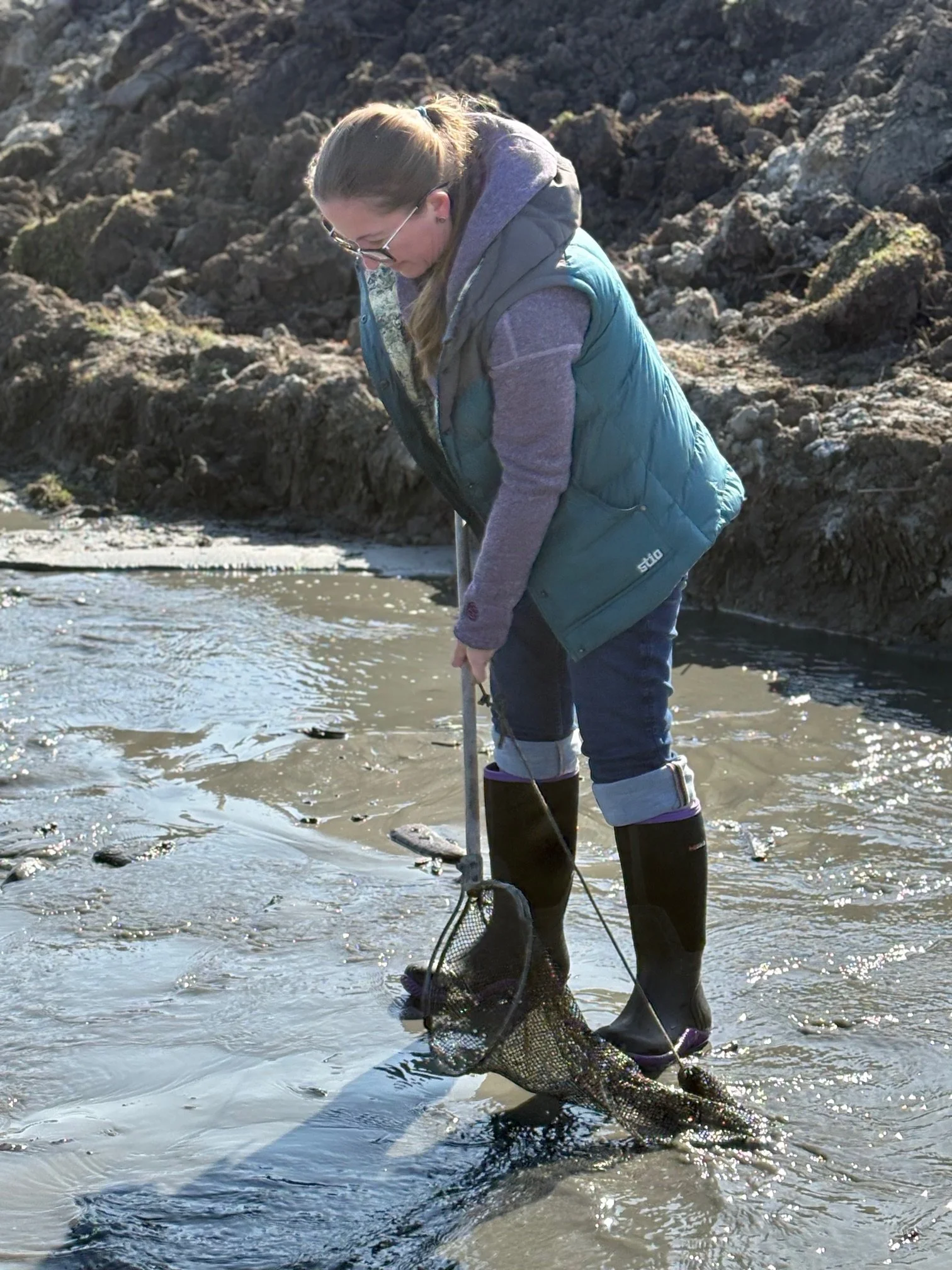
From Mining to Craftsmanship — Why Origin Matters
Seeing amber in its raw form and then understanding how it becomes finished jewelry puts everything into perspective. The same material that comes out of the ground covered in mud is later shaped, polished, and turned into something wearable — often by the same network of people connected to its source.
Spending time with Krzysztof and his wife Marta, a talented amber jewelry artist, made that connection very real. From extraction to craftsmanship, it’s a continuous process, not separate steps.
This is also why where amber comes from matters. Knowing the source, and working directly with the people who mine and create it, allows me to stand behind its authenticity with confidence.
In a market where imitations and other resins are common, that direct connection to origin isn’t just a detail — it’s essential. And it’s at the core of what I do.
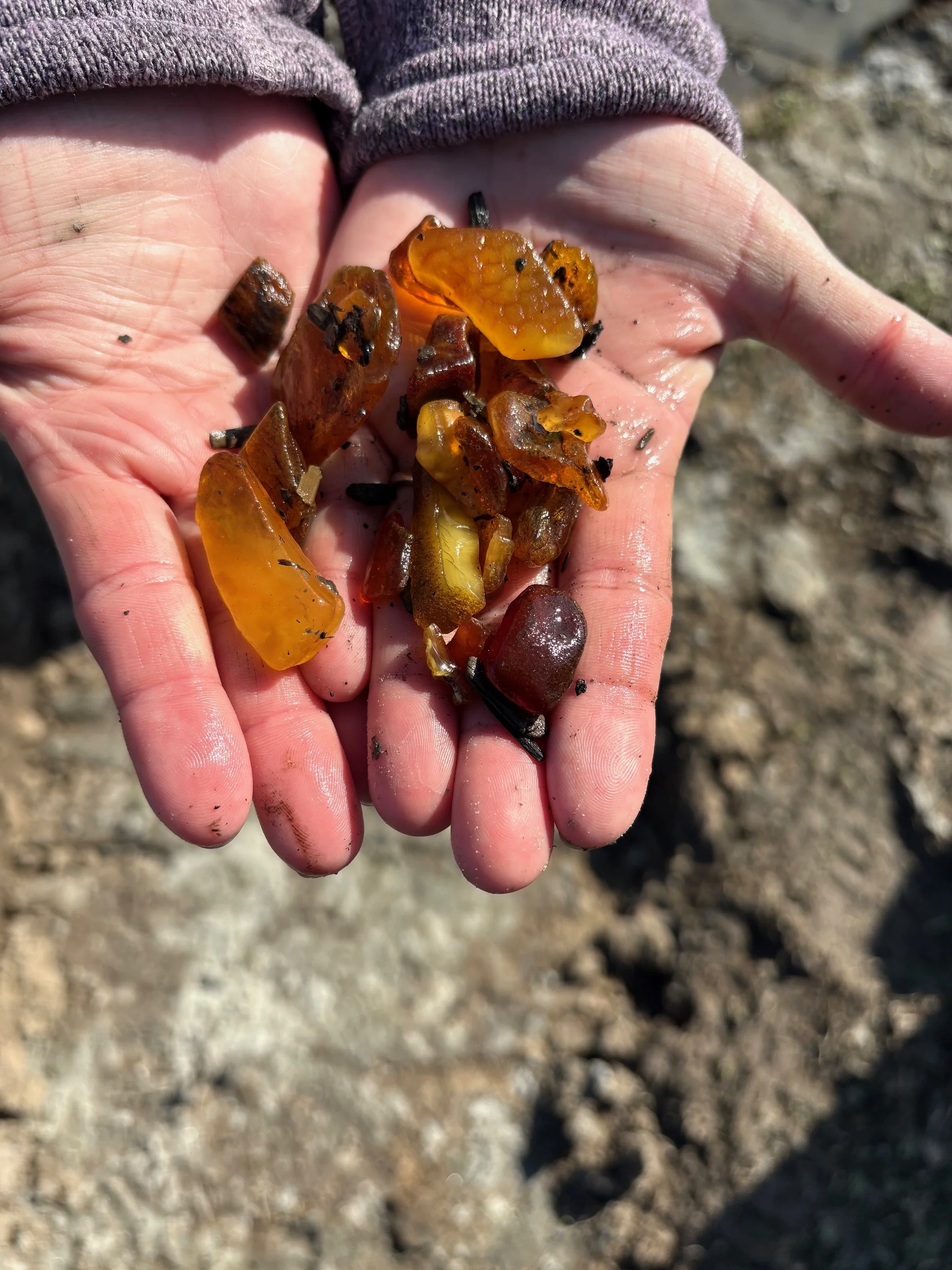
From the Earth… to You
Before the glow.
Before the polish.
Before it becomes something you wear.
There is earth, water, time — and the hands that bring it to light.
And that journey is what makes Baltic amber so special.